
Pavel Dušek
-
 Athns_Atc_1/1, 2026
 -
Bfr_Tinos_1/1, 2026
-
Bhnd_Scrt_unkwn_1/1, 2026
-
Flclr_Tinos_1/1, 2026
-
Insp_Rietvld_NL_1/1, 2026
-
Levit_in_flclr_1/1, 2026
-
Miam_x_Mlt_1/1, 2026
-
New_flclr01_1/1, 2026
-
New_Flclr_1/1, 2026
-
Old_exp_bth_1/1, 2026
-
Strs_mdrn_1/1, 2026
-
Vase_flclr_GR_1/1, 2026


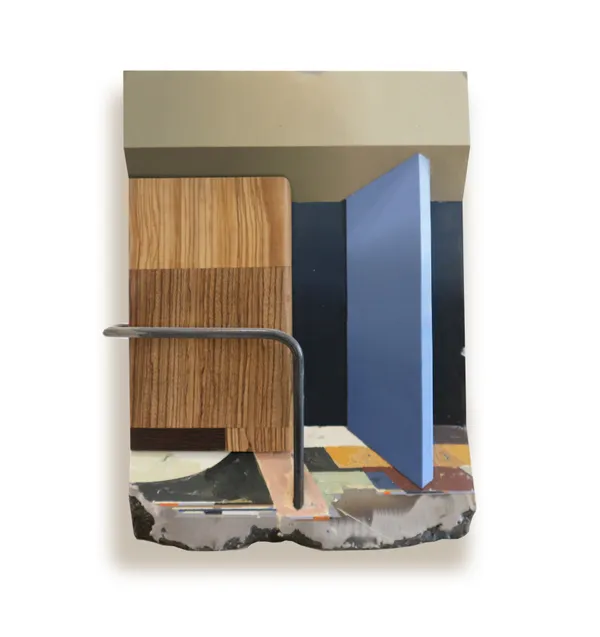
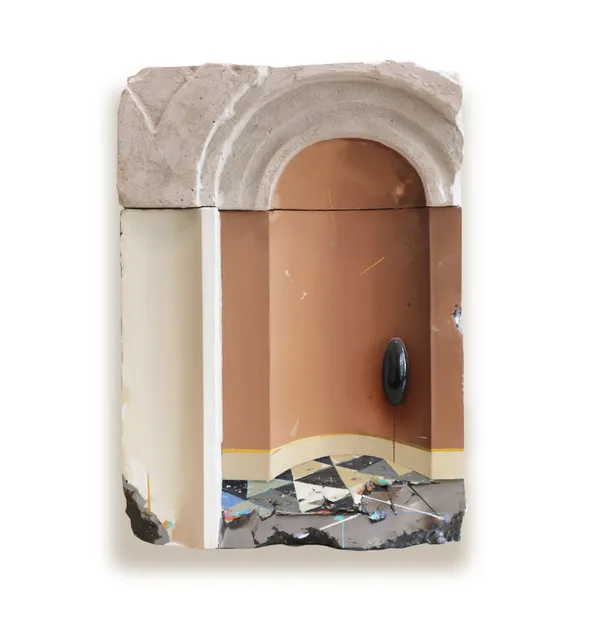

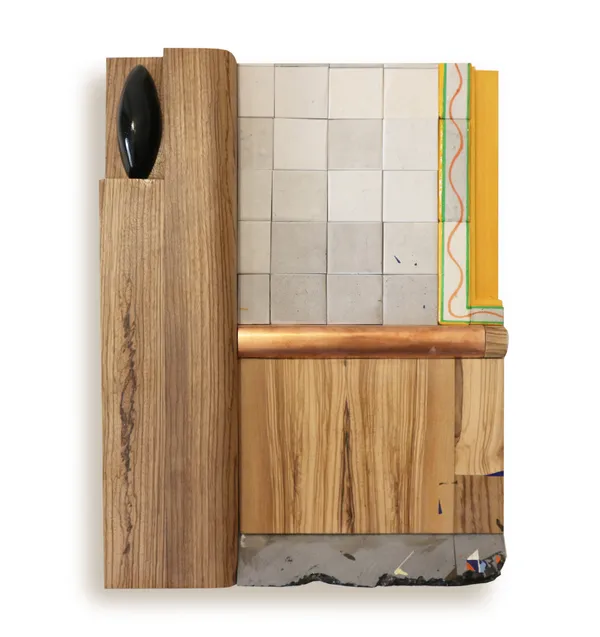
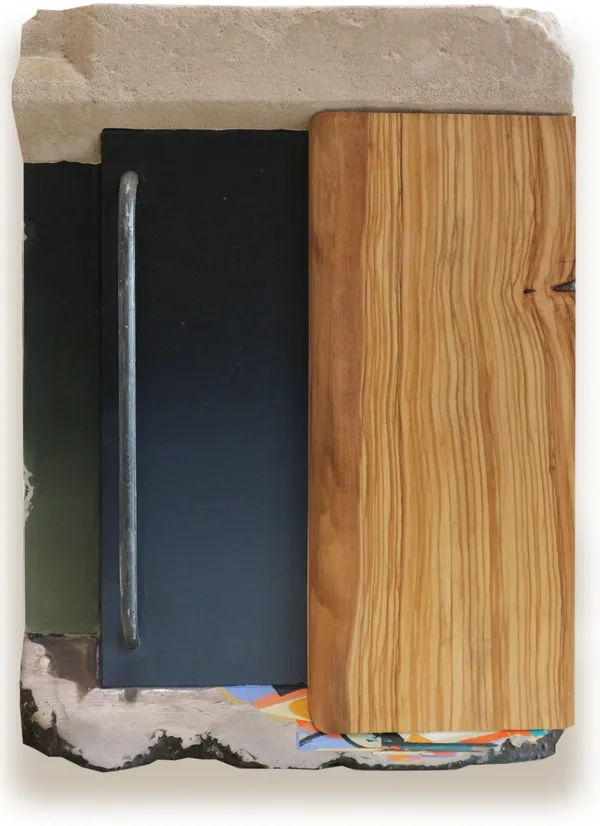
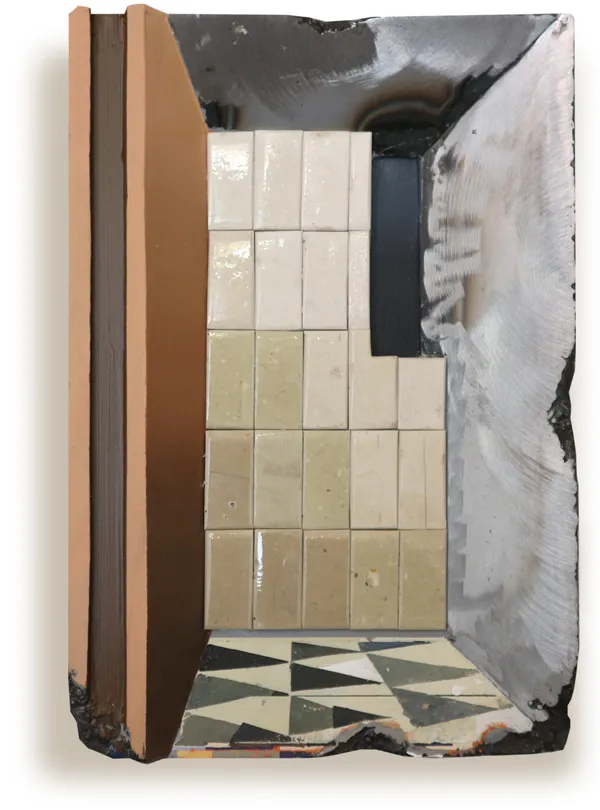
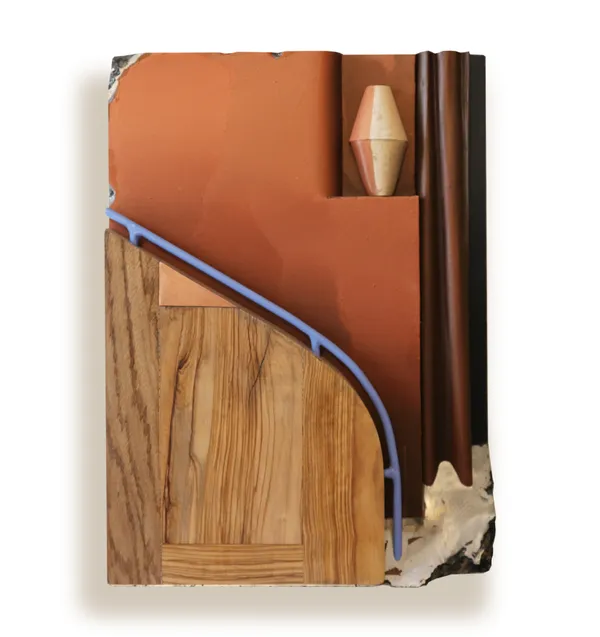
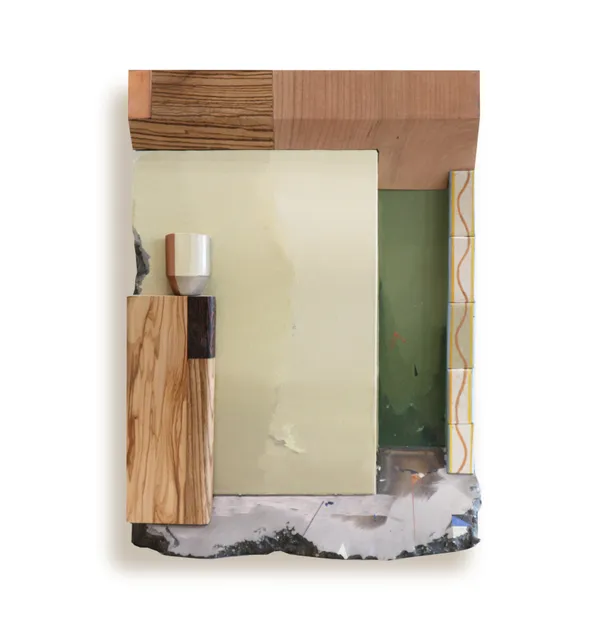

Pavel Dušek (1992) is a Czech artist whose work oscillates between painting, sculpture, and architecture. He was born in Hradec Králové, where he studied at The School of Civil Engineering (2008–2012). He then continued at the Academy of Fine Arts in Prague in the Painting Studio under the guidance of Prof. Michael Rittstein (2012–2018). In 2016, he completed an internship at ISI Yogyakarta in Indonesia, which broadened his perspective on materials and spatial compositions. His work was awarded the Critics' Prize for Young Painting in 2021.
In his work, Dušek combines painting with experimentation with materials such as concrete, steel, ceramics, acrylic, and bronze. The resulting works blur the boundaries between two-dimensional and three-dimensional space and often take the form of reliefs depicting fragments of interiors or architectural structures. He draws inspiration from specific buildings, such as functionalist designs or those associated with the Bauhaus, which he reconstructs through intuitive nostalgia and associations. The main theme of his work is the experience of space, both physical and mental, and its interaction with people.
A significant part of his work consists of interventions in public space. From his high school beginnings with street art, he has moved on to large-scale concrete mosaics and reliefs, which can be found not only in Czech cities, but also in Paris, London, Venice, New York, and Miami. Dušek connects public and private settings, disrupting the stereotypical perception of urban space. His works, set in city streets and galleries, inspire viewers to personal interpretation, raise questions about the relationship between architecture and human experience, and expand the boundaries of traditional painting.
-
Expo Chicago 2026
Find us at booth 328 9 - 12 Apr 2026Brandt Gallery proudly presents a booth featuring the latest works by Yigal Ozeri and Pavel Dušek at Expo Chicago 2026. This presentation brings together two distinctive artistic practices that explore...Read more -
10 years BRANDT
14 Mar - 25 Apr 2026Brandt Gallery is proud to celebrate its 10-year anniversary, a milestone made possible by the artists, collectors, friends, and supporters who have shaped our journey over the past decade. To...Read more -
PAN 2025
Find us at Booth 50 1 - 9 Nov 2025We are pleased to share our PAN Amsterdam presentation with you! This year, our booth will showcase a diverse collection of artworks, with a wide range, you will find captivating...Read more


